
THE COPIER PATTERN
Mirroring • Performing • Lost
What it is
As Copiers, we are not uninspired, and we certainly don’t lack originality.
It is just that at some point in our past, being ourselves came with a cost we were simply not willing to pay again. We learned early on that our own raw instincts weren’t safe to follow, so we traded them in for a proven script to perform line by line.
Now, our system has gotten incredibly good at building a life that looks flawless from the outside, but feels entirely vacant on the inside. We are arriving at destinations that don't belong to us, only to realize that choosing out of the fear of being left behind has cost us our joy.
Following the crowd felt like the only way to be secure, but you were meant to live, not just conform. If we stripped away everyone else's expectations, what remains?

How it shows up in life
We unintentionally take social media inspo posts too literally. We say we want that bougie blanket, not only because it genuinely looks cozy, but because we believe it gets us that much closer to the life the influencers are living.
We make decisions by polling those around us, caring about how something looks or what it signals, and then feel vaguely hollow when we follow their advice. It’s not for lack of gratitude, yet we somehow feel let down, and we don’t know why.
Because somewhere along the way, between adolescence and now, we’ve reshaped our personality, our style, our opinions, sometimes our entire lives, around what has worked for the people we admire or the environments we desire to thrive in.
We can tell others exactly what our best friend needs, what our partner prefers, and what our bosses respond to. But ask us what we actually want without pointing to others, and we go quiet.
Reflection Questions
Sit with these before you do anything else.
There are no right answers, only what's true.
-
What is one thing you have quietly stopped wanting because it felt too far outside what was expected of you?
-
Think of one major decision you've made in the last two years: a life choice, a relationship choice, a career choice.
If you strip away what anyone else thought of it, how did you actually feel about it? -
Where in your life are you currently wanting something because it looks or seems like the right thing to want?
Easiest way to be to list what you want and ask yourself if this is because someone else who you are just as good if not better than them has it. Or because it lines up with your narrative that you’re a good person with good values and judgement (and no one is saying you aren’t).
Be specific and name the actual things.
Practice — The Silent Choice Experiment
We've been quietly handing the wheel to someone else without realizing it. Now it’s time to get back in the driver's seat.
The practice isn't about becoming independent from others or never asking for input again. It's about building enough of a relationship with your own knowing that you can actually tell the difference between a genuine preference and a borrowed one.
-
Choose an aspect of your life: career direction, life goal, lifestyle choice, social circle, etc.
Ask yourself where this preference come from. Who were you around when you first started wanting it. Is the preference entirely yours, or have you inherited it from someone else?You don’t have to come up with an answer right now, just notice what happens in this moment of reflection.
-
For the next seven days, make one daily decision entirely without external input before seeking it.
These don't need to be big decisions: a movie, restaurant, workout class, etc. You can still ask others afterward, but only once you've named what you actually want first.You don't even have to follow through on it. You just have to name it.
Each time you do, write one sentence: "Today I chose ___ and it felt ___." At the end of seven days, you’ll have a sense of what feels like you versus what feels performed. This small distinction is the beginning of everything.
-
Review your seven days of sentences and read them in one sitting.
Which ones feel alive and which ones feel flat, even slightly? Write down the ones that felt most like you and ask: what do these have in common? You are not looking for a personality type or a life plan. You are looking for a thread. Even the thinnest thread is enough to follow.One gentle note: it's common to feel a surprising amount of resistance to something this simple, and if you do, that is not a sign that something is wrong with you. It's a sign that the pattern runs deep, and that you're actually doing the work. If the resistance feels particularly heavy or immovable, there's no shame in asking for support. That's exactly what the next step is for.
Common Paring
The Copier Pattern is often paired with The Ghost or The Shell.
There's a particular kind of exhaustion that comes from building someone else's dream with your own hands. When desire gets numbed early enough, we fill the space with what we're shown we should want. You won’t be able to clearly see what you actually want until you've rested enough to feel again. And until desire comes back online, you can't know what's actually yours.
Allow yourself to rest up first.

Human Design Characteristics
All patterns can apply to anyone but depending on their Human Design chart, some are more susceptible than others.
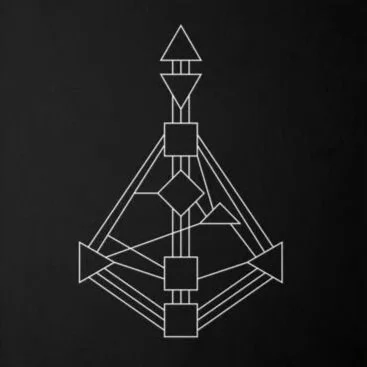
This pattern is often rooted in an undefined or open G-Centre, which governs identity and direction.
When the G-Centre is open, you are literally designed to sample many different identities and directions throughout your life. The issue is not the openness but it's when you mistake the borrowed sense of identity for your own. This isn’t a design flaw, you just haven't been taught how to apply it properly yet.
What now?
You've named your pattern.
You understand how it shows up in your life; how it blocks you from living more fully.
You've been given gentle exercises to start making changes.
All of it sounds easy.
It makes sense.
But yet, you still feel held back and you don’t know why.
Changing the ego and the nervous system are rarely done in isolation.
We are human, we are built for connection, to give and receive support.
Maybe the missing piece isn’t more knowledge or self-discipline; maybe it’s connection.